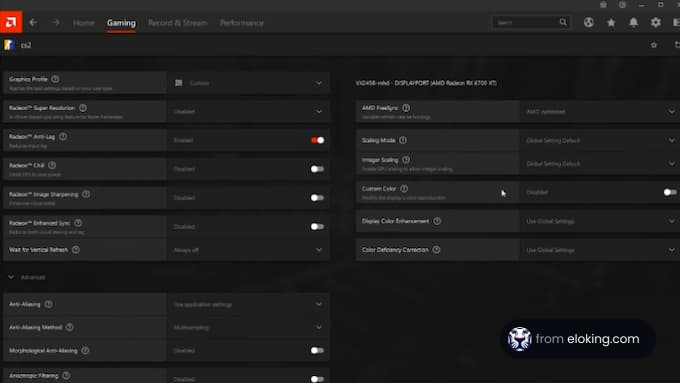
Top 5 Game Settings for Precision Aiming: Unlock Your Full Potential
When it comes to precision aiming in video games, the right settings can significantly enhance your performance. Here are the top five game settings that can help you unlock your full potential:
- Mouse Sensitivity: Adjusting your mouse sensitivity is crucial for accurate aiming. Lower sensitivity settings allow for finer movements, which is particularly beneficial in first-person shooters. Aim for a sensitivity that allows you to comfortably turn around while still making precise shots.
- DPI Settings: Your mouse's DPI (dots per inch) settings play a vital role in aiming accuracy. A DPI of 400-800 is often recommended for FPS games, as it strikes a balance between speed and precision.
Additionally, consider these more advanced settings:
- Field of View (FOV): A wider FOV allows you to see more of your surroundings, helping you anticipate enemy movements and aim more accurately. Many competitive players prefer a FOV setting of 90 to 110 degrees, depending on the game.
- Aim Assist: While this feature varies by game, enabling aim assist can help with precision aiming, especially for beginners. However, experienced players might prefer to turn it off for more control.
- Crosshair Customization: A clear and well-placed crosshair can enhance your targeting capabilities. Customize your crosshair's color, size, and thickness to ensure it stands out against different backgrounds in-game.
How to Adjust Sensitivity for Perfect Aim: Step-by-Step Guide
Achieving perfect aim in gaming requires a meticulous approach to adjusting sensitivity settings. To begin with, it’s crucial to understand how sensitivity impacts your overall performance. Lower sensitivity can provide better precision, especially in sniper scenarios, while higher sensitivity enables quicker movements and reactions in fast-paced games. Follow these steps to find your ideal sensitivity: 1. Start with a default setting, typically between 3-6 for most games. 2. Use a target practice mode or training range to test your aim. 3. Gradually adjust the sensitivity up or down based on your comfort and accuracy levels.
Once you’ve established a baseline sensitivity, the next step is to refine your settings further. As you practice, pay attention to the tracking speed and how easily you can control your aim. Consider implementing the following: 1. Take notes on your performance with each adjustment. 2. Set aside consistent time for practice, focusing on different scenarios. 3. Ask for feedback from experienced players or use recording tools to evaluate your gameplay. This step-by-step guide not only enhances your aiming skills but also elevates your overall gaming experience.
Are You Aiming Effectively? Common Mistakes and How to Fix Them
Are you aiming effectively in your personal or professional life? Many individuals set goals but often fall short due to common mistakes that hinder their progress. One prevalent issue is the lack of specificity in goal-setting. Instead of stating, 'I want to get fit,' consider setting a specific target, such as, 'I will exercise for 30 minutes, five times a week.' This makes it easier to track your progress and stay motivated. Additionally, not writing down your goals can lead to a loss of focus. When you jot down your objectives, you create a tangible reminder of what you're working towards.
Another common mistake in aiming effectively is neglecting to celebrate small victories. It’s easy to overlook these minor achievements while striving for the grand prize. However, recognizing these milestones can boost your motivation and reinforce positive habits. To fix this, consider implementing a reward system; for instance, treat yourself to something enjoyable after completing a significant step towards your goal. By adjusting your approach and being mindful of your actions, you can ensure that you are aiming effectively, maximizing your potential to reach your aspirations.