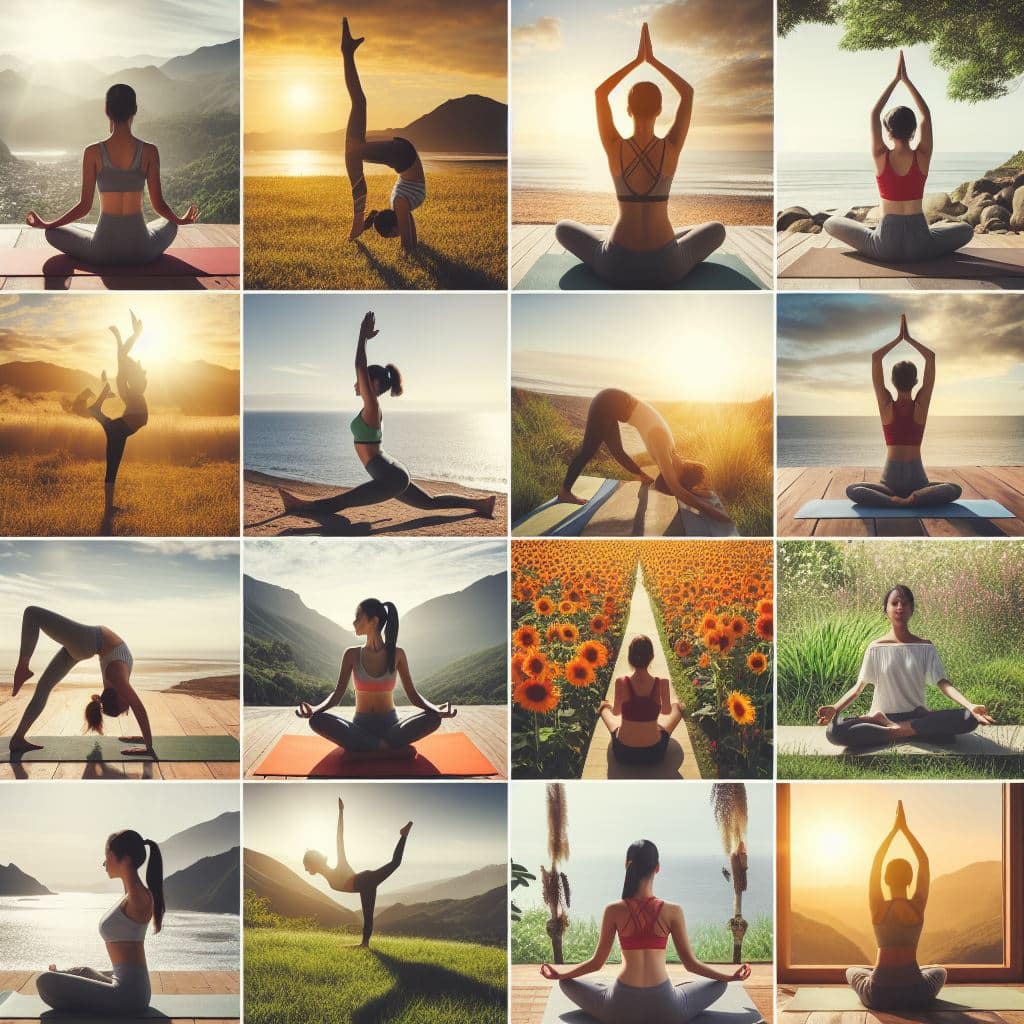
5 Essential Yoga Poses for Beginners: Start Your Journey
Yoga is a powerful practice that can enhance both your mental and physical well-being, and getting started doesn't have to be intimidating. As a beginner, it's essential to focus on the foundational poses that can build strength, flexibility, and balance. Here are 5 essential yoga poses for beginners that will help you start your journey:
- Downward-Facing Dog (Adho Mukha Svanasana): This pose strengthens the whole body and stretches the spine, hamstrings, and calves. Ensure your hands are shoulder-width apart and your feet are hip-width apart. For guidance, you can visit Yoga Journal's Downward Dog guide.
- Child's Pose (Balasana): A resting pose that helps you relax and refocus. While in this pose, focus on your breath and release tension. More details can be found at Yoga Journal's Child's Pose guide.
- Warrior II (Virabhadrasana II): This pose improves your stamina and strength while enhancing your concentration. It opens your hips and chest, making it perfect for beginners. You can learn more about Warrior II from Yoga Journal.
- Cobra Pose (Bhujangasana): A gentle backbend that stretches the chest and shoulders. It is great for strengthening your spine. Check out Yoga Journal's Cobra Pose guide for step-by-step instructions.
- Bridge Pose (Setu Bandhasana): This pose opens the heart and stretches the spine, improving flexibility. For more tips, visit Yoga Journal's Bridge Pose guide.
How Yoga Can Transform Your Mind and Body: The Science Behind It
Yoga offers a holistic approach to transforming both the mind and body, backed by a plethora of scientific research. Studies have shown that regular practice can lead to improved mental clarity, reduced stress levels, and enhanced emotional resilience. According to a review published in Psychological Bulletin, even short-term yoga practice can significantly increase feelings of well-being and mindfulness. Additionally, yoga has been found to decrease the production of stress hormones like cortisol, thus promoting a more peaceful and centered state of mind.
On the physical side, yoga is known to improve flexibility, strength, and balance, which are essential for overall fitness. Research indicates that specific poses can enhance muscle tone and respiratory function while also boosting cardiovascular health. A comprehensive study from The Journal of Yoga & Physical Therapy highlighted how practitioners experience increased blood flow and oxygenation to vital organs, contributing to overall vitality. Therefore, embracing yoga not only nurtures mental wellness but also fortifies physical health, making it a powerful tool for personal transformation.
What Is the True Meaning of Mindfulness in Yoga?
Mindfulness in yoga is more than just a trendy term; it encapsulates the essence of being present and fully engaged in the moment. At its core, mindfulness involves cultivating an awareness of our thoughts, emotions, and body sensations without judgment. When applied to yoga, this practice fosters a deep connection between the mind and body, enhancing the overall experience of each pose. By focusing on the breath and bodily sensations, practitioners can tap into a heightened state of consciousness, allowing them to experience a deeper sense of peace and clarity. For a deeper understanding, you can explore resources like Mindful.org which explain the background and significance of mindfulness.
Furthermore, mindfulness in yoga can significantly impact mental health and well-being. Engaging in regular practice not only promotes relaxation but also helps individuals develop a greater resilience to stress. By learning to observe thoughts and feelings as they arise during a yoga session, practitioners can cultivate a greater sense of self-acceptance. This skill set isn’t limited to the studio; it can be applied in daily life as well. For example, integrating mindfulness techniques from yoga into everyday activities can transform routine tasks into opportunities for reflection and awareness. To learn more about the benefits of mindfulness in a broader context, visit Psychology Today.